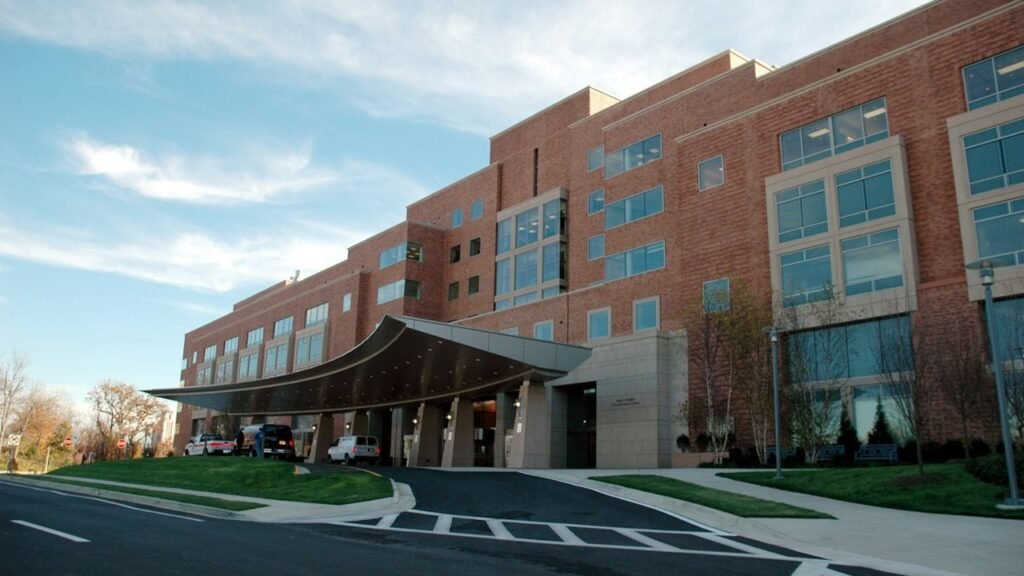
Kenya’s Ministry of Health announced the launch of Biometric Health Identification at Kenyatta University Teaching, Research and Referral Hospital on 4th August 2025. The Ministry presented it as part of a wider digital health programme intended to improve patient identification and transparency. That announcement records a launch and the government’s stated purpose. It is not an independent performance assessment, a record of every hospital’s readiness or evidence that a particular fraud-reduction target was achieved.
Identification is one part of an encounter
The useful technology story begins with the steps a patient and a member of staff must complete. Identification can establish which record should be used, but the rest of the encounter still needs to work: retrieving appropriate information, recording the service, handling authorisation and producing a claim. A facility-level assessment should follow that complete sequence. It should also identify what happens when identification cannot be completed through the normal route.
An implementation review could examine the experience of patients who need assistance, the support available to staff and the process for correcting a mismatched record. These are design and governance questions raised by the nature of the system. This article does not report that a particular failure has occurred. It identifies the evidence a technology desk should seek before concluding that a launch has translated into a dependable service.
How to assess a digital claim
Claims about improved efficiency need a defined comparison. A useful review would identify the workflow being measured, the period before and after implementation and any other changes that occurred at the same time. Faster processing in a small pilot, for example, would not automatically establish the same result across facilities with different staffing or connectivity. The scope of the evidence should be visible beside any performance claim.
Governance also belongs in the technology assessment. Readers should be able to find the operating authority, the intended use of the information and the route for questions or corrections. Providers evaluating a system would want to understand the responsibilities that remain with the facility, the support arrangement and the conditions of access. Those details should be verified through the relevant documents rather than inferred from the name of the technology.
Connect the system to the service
For Health Signal, the next reporting task is to connect the digital programme to the contracting and payment processes it supports. An evidence-led account could compare completed encounters, unresolved technical queries and the handling of exceptions within a stated period. The result would help readers see where the system adds value and where further work is needed. The 2025 launch is an important historical reference, but the current status of a particular facility requires a current source. A national announcement should remain a starting point for reporting the hospital workflow.
Connected reporting
Read this alongside SHA’s October contracting deadline puts hospital continuity in focus and The 2024 SHA transition exposed a hospital cash-flow question that deserves a dated record.