Published in PLOS One on 2026-07-17, this study is presented as an attributed evidence briefing. The excerpts below are the original researchers’ words, reproduced under their Creative Commons Attribution licence. Health Signal has selected the abstract and, where needed, opening background paragraphs; the complete methods, results, limitations and references remain in the linked paper.
Original authors: Brian Kasagga, Paul Ssempebwa, Godfrey Kikuba, Flavius E. Egbe, Peace Caroline Nsodi, Joanne Kayaga, Emmanuel Alex Elobu, Paul Okeny
Source: PLOS One • DOI 10.1371/journal.pone.0353668
Read the complete primary study ↗ · Creative Commons Attribution licence
From the researchers
Abstract
Colorectal cancer (CRC) is an important cause of morbidity and mortality in Uganda. Timely treatment initiation is critical for outcomes, yet delays are common. This study assessed treatment delays and associated factors among CRC patients at Mulago National Referral Hospital (MNRH) and the Uganda Cancer Institute (UCI).
To determine the diagnosis to treatment interval (DTI), prevalence of treatment delay, and the associated patient and clinicopathologic factors among CRC patients.
A hospital-based cross-sectional study was conducted among 67 patients with histologically confirmed CRC between December 2024 and May 2025. Treatment delay was defined as >31 days between histological diagnosis and first oncologic treatment. Data were collected through interviews and record review. Descriptive statistics summarized demographics and clinical characteristics. Bivariate Poisson regression with robust variance estimation identified factors associated with delay; variables with p < 0.20 entered a multivariable model. Prevalence ratios (PRs) with 95% levels of confidence were reported. IRB approval was obtained (Ref: Mak-SOMREC-2024-1048).
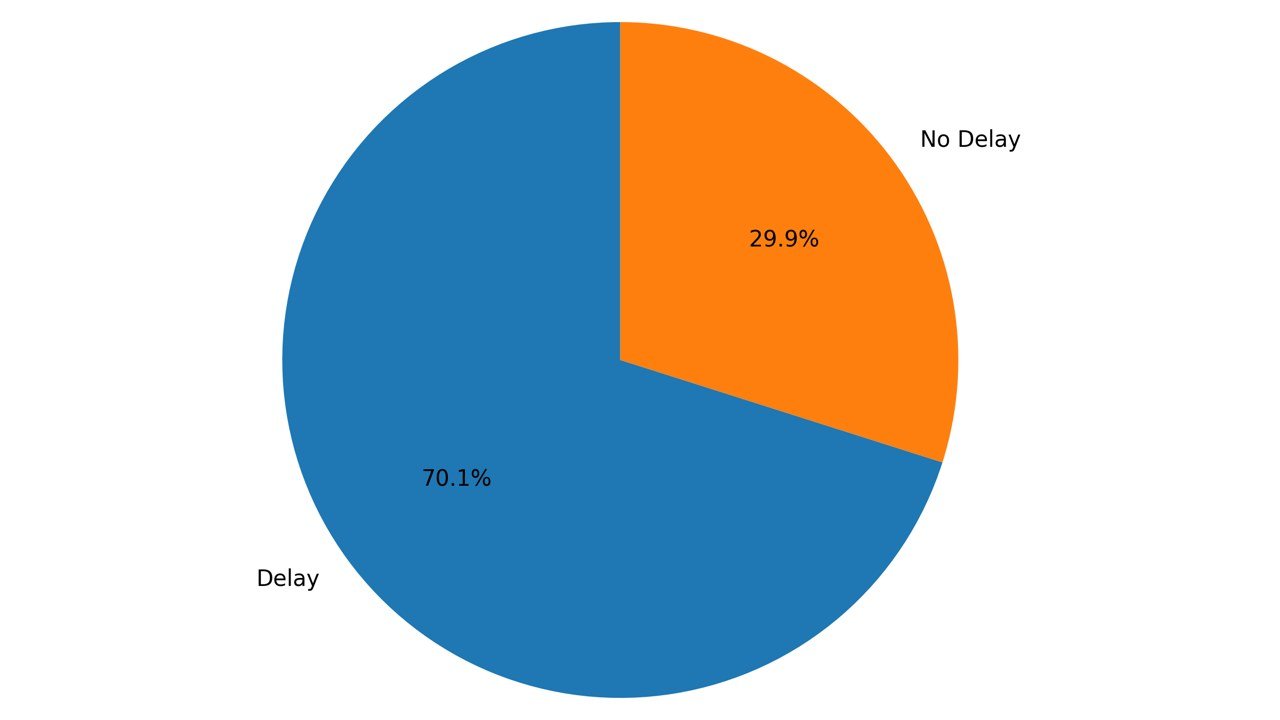
The mean age was 50.5 years (SD: 15.1); 55.2% were female, and 71.6% (n = 48) had advanced-stage disease (Stage III/IV). The median DTI was 53 days (IQR: 25–95), with 70.1% (n = 47) experiencing delays. Median DTI by treatment: chemotherapy 53 days, radiotherapy 79 days, surgery 14 days. Socioeconomic vulnerability was the only factor independently associated with treatment delay. Patients with high socioeconomic vulnerability scores (≥4) had a 34% higher prevalence of delay (PR = 1.34, 95% CI: 1.01–1.78, p = 0.042).
Most CRC patients experienced treatment delays which were widespread and occurred across all categories; regardless of distance to the treatment facility, clinical status, or disease severity. Socioeconomic disadvantage was the only independent predictor, underscoring the role of structural and financial barriers in timely care. Targeted, context-specific interventions are urgently needed to reduce delays and improve outcomes.
Not applicable.
Background
Colorectal cancer (CRC) represents a major global public health burden, ranking as the third most commonly diagnosed malignancy and the second leading cause of cancer-related mortality worldwide [1]. In 2020, an estimated 1.9 million new CRC cases and 930,000 deaths were reported, with projections suggesting a 63% increase in incidence (3.2 million cases annually) and a 73% rise in mortality (1.6 million deaths annually) by 2040 [2].
Although the incidence of CRC has historically been lower in Africa compared to high-income regions, there is growing concern over a rising trend, particularly in Sub-Saharan Africa (SSA). Lifestyle changes, increasing urbanization, and dietary shifts towards processed foods have contributed to a growing incidence [3,4]. In 2019, SSA recorded approximately 58,000 new CRC cases, 49,000 deaths, and over 1.3 million disability-adjusted life years (DALYs), underscoring both the growing burden and the limitations in health system capacity to manage it [5]. The opposite demographic trend has been observed in high income countries due to robust screening programs and therapeutic advances [3,4].
Reading this evidence
Use the full paper to check the study design, participant selection, comparator and outcome definitions before drawing a practical conclusion. An association does not by itself show cause and effect. A reported performance measure needs its denominator and uncertainty. A finding from a particular facility, sample or time period should retain that scope when it is discussed elsewhere.
This briefing makes the source accessible within the wider research & evidence desk. It does not assess an individual patient or certify a product. When considering relevance to another health system, examine the original authors’ account of context and limitations, then seek local implementation evidence. The related reporting below provides other studies to read alongside this one; it is a topic connection, rather than a claim that their results are directly comparable.
© 2026 Brian Kasagga, Paul Ssempebwa, Godfrey Kikuba, Flavius E. Egbe, Peace Caroline Nsodi, Joanne Kayaga, Emmanuel Alex Elobu, Paul Okeny. Excerpts reproduced under CC BY. Selection, formatting and contextual notes by Health Signal. The researchers are the authors of the source study, not members of Health Signal’s staff.
Explore connected evidence
- Evidence brief: Unmet needs and quality of life of adult patients while receiving cancer treatment in Uganda: A cross-sectional study
- Evidence brief: Spectrum and immunovirological determinants of tumours among people living with HIV in Uganda: A retrospective cross sectional study from a specialised HIV centre, 2017–2026
- Evidence brief: Delayed health-seeking behavior and its associated factors among cancer patients in Ethiopia: A systematic review and meta-analysis, 2025

