Public Health
WHO’s mpox report: why reporting dates matter
The publication date and the data cut-off answer different questions. WHO’s report provides a useful case study in reading emerging-threat updates carefully.
Implications, context and the limits of the evidence.
The publication date and the data cut-off answer different questions. WHO’s report provides a useful case study in reading emerging-threat updates carefully.
From the abstract: “This secondary data analysis of the Tanzania HIV Impact Survey (THIS) involved 33,263 individuals aged 15 years and above, randomly selected from 14,966,262 households from 31 regions of Tanzania.”
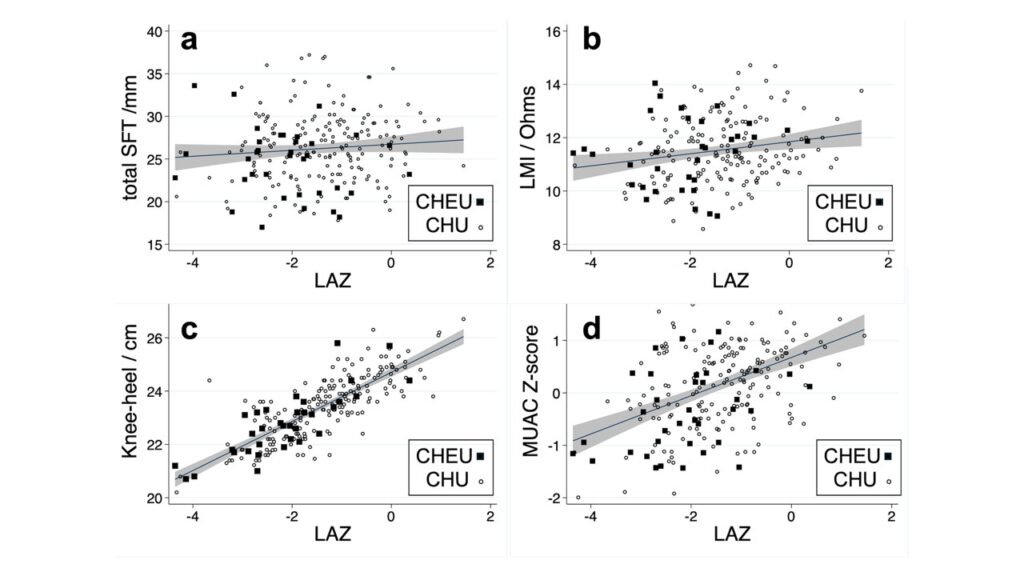
From the abstract: “In a substudy among 223 children (36 CHEU and 187 CHU) enrolled in the Sanitation Hygiene Infant Nutrition Efficacy (SHINE) trial in rural Zimbabwe, we measured height, knee-heel length, weight, calf circumference, skinfold thicknesses (triceps, subscapular and calf), and bio-electrical impedance at 2 years of age.”
From the abstract: “Participants with known menopausal status and a satisfactory HPV test (N = 3,118) and/or Pap smear (N = 2,907) were included, excluding those with cervical cancer or pregnancy; participants without known HIV status were additionally excluded from the cervical neoplasia analysis.”
From the abstract: “A cross-sectional study was carried out in 2023–2024 to estimate the prevalence of fish parasites and host factors.”
From the abstract: “Rumex abyssinicus is an important plant species used in Ethiopian traditional medicine, and this study aims to conduct a phytochemical analysis of root extracts of R. abyssinicus and determine its antimicrobial activity.”
From the abstract: “Therefore, this study aimed to assess farmers and agricultural workers, such as field agents and cooperative workers, perspectives on the incidence and impact of agrochemical adulteration in the Wolmera district, located 29 km west of Addis Ababa.”
From the abstract: “A column experiment was conducted in laboratory on saline-sodic soils of Metehara Sugar Estate to evaluate the effectiveness of phosphogypsum and leaching in reclaiming these soils.”
From the abstract: “In this study the authors developed ‘PePApipe’, a custom-built, user-friendly pipeline that enables rapid, complete, and efficient ASFV genome analysis.”
From the abstract: “Thus, this study evaluated HLA-G and Hematobiochemical levels and their association with malaria infection and miscarriage among pregnant women in the Ghanaian population.”