Public Health
WHO’s mpox report: why reporting dates matter
The publication date and the data cut-off answer different questions. WHO’s report provides a useful case study in reading emerging-threat updates carefully.
Vaccination, disease surveillance, prevention and population health across African settings.
The publication date and the data cut-off answer different questions. WHO’s report provides a useful case study in reading emerging-threat updates carefully.
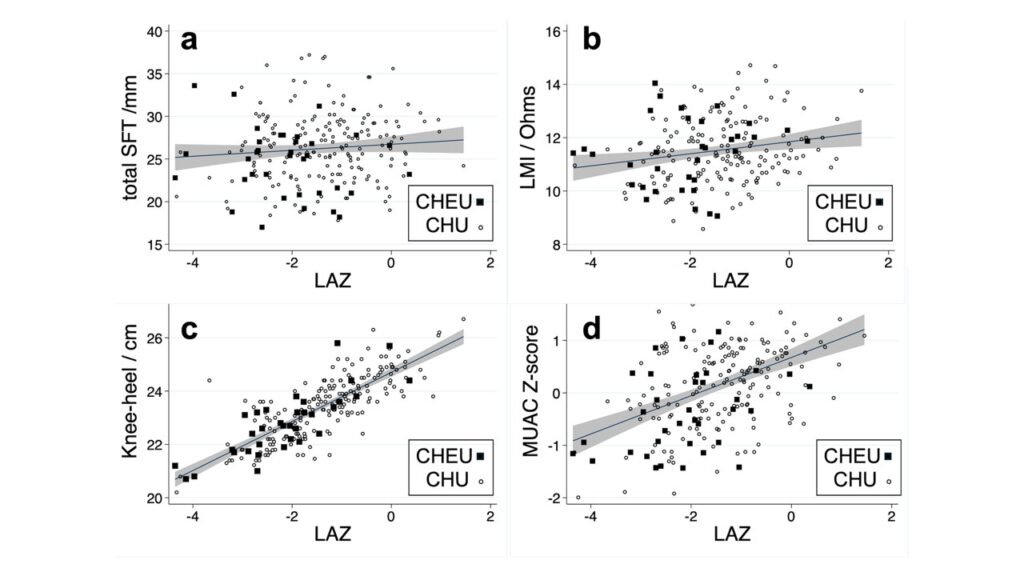
From the abstract: “In a substudy among 223 children (36 CHEU and 187 CHU) enrolled in the Sanitation Hygiene Infant Nutrition Efficacy (SHINE) trial in rural Zimbabwe, we measured height, knee-heel length, weight, calf circumference, skinfold thicknesses (triceps, subscapular and calf), and bio-electrical impedance at 2 years of age.”
From the abstract: “Participants with known menopausal status and a satisfactory HPV test (N = 3,118) and/or Pap smear (N = 2,907) were included, excluding those with cervical cancer or pregnancy; participants without known HIV status were additionally excluded from the cervical neoplasia analysis.”
From the abstract: “In this study the authors developed ‘PePApipe’, a custom-built, user-friendly pipeline that enables rapid, complete, and efficient ASFV genome analysis.”
From the abstract: “Thus, this study evaluated HLA-G and Hematobiochemical levels and their association with malaria infection and miscarriage among pregnant women in the Ghanaian population.”
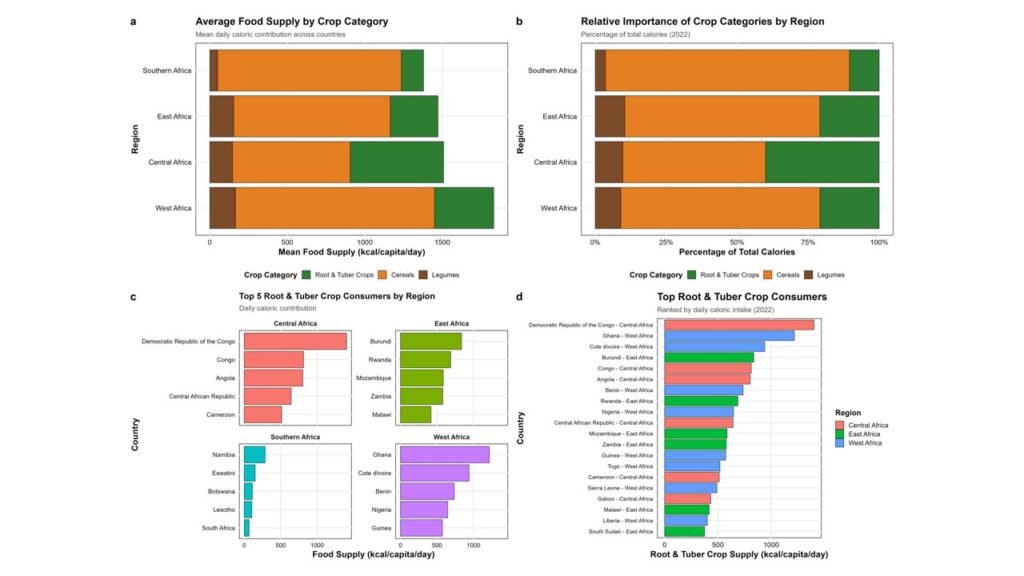
From the abstract: “Root and tuber crops (RTCs) provide 354 kcal/capita/day across sub-Saharan Africa (17.7% of dietary energy from major crop categories), and several countries derive over 40% of crop calories from cassava, yam, sweet potato, taro, and cocoyam.”
From the abstract: “An institutional-based cross-sectional study that included 317 HIV-infected women of a reproductive age group attending antiretroviral therapy was conducted in Nekemte town employing a systematic random sampling technique.”
From the abstract: “In this study, we investigated the prevalence and abundance of the mercury resistance gene merA in human feces, retail chicken meat, and environmental water samples collected from Japan, Vietnam, and Ghana.”
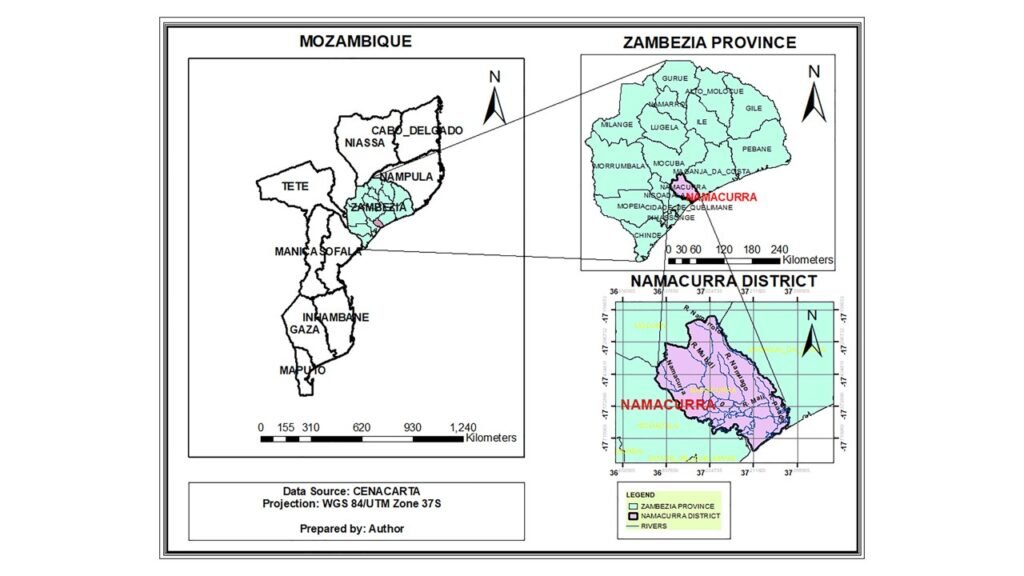
From the abstract: “This study integrated agronomic and economic analyses to identify the biologically and economically optimal Zn and Fe fertilization strategies for cowpea (Vigna unguiculata [L.] Walp.) under tropical field conditions in Mozambique.”
From the abstract: “This study assessed food safety knowledge, perceptions, and practices among female household food handlers in the Ho Municipality of the Volta Region, Ghana.”