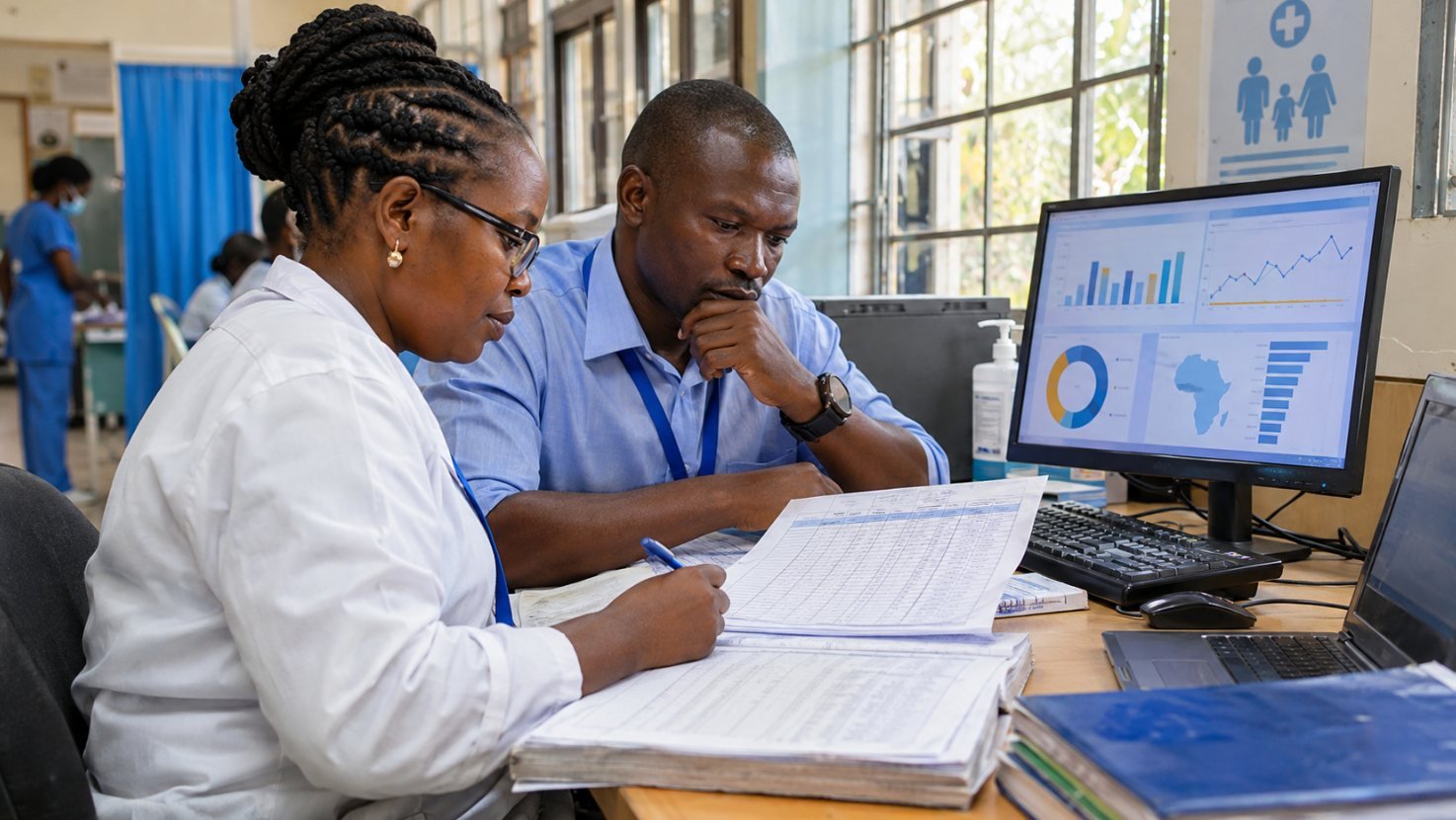
Nairobi, Kenya — Health information systems across Africa remain constrained by gaps in death registration, data quality, analysis and financing, according to a new World Health Organization (WHO) assessment covering 40 countries in the African Region.
The assessment, released on 10 November at the inaugural Africa Health Data Forum in Nairobi, gives the region an overall health information systems maturity score of 59 out of 100. It warns that weak routine data systems can limit governments’ ability to identify health needs, plan services, monitor disease trends and direct resources where they are most needed.
Death registration and facility data remain uneven
Only 19 of the 40 countries assessed reported that at least 80% of deaths were notified. Twenty-one countries reached the same threshold for recording causes of death. The findings point to continuing weaknesses in civil registration and vital statistics systems, which are essential for understanding why people die and where preventable deaths occur.
Capacity to use information at health-facility level is also limited. WHO reported that only 43% of countries had sufficient capacity for facility-level data analysis, while just 25% had capacity to assess data quality at facility level. Only 18% had a dedicated budget line for health information systems.
These weaknesses affect more than reporting. When information is incomplete or arrives too late, health authorities may struggle to detect service gaps, forecast commodity needs, allocate staff, monitor outbreaks or assess whether programmes are reaching underserved communities.
Forum puts investment and country ownership in focus
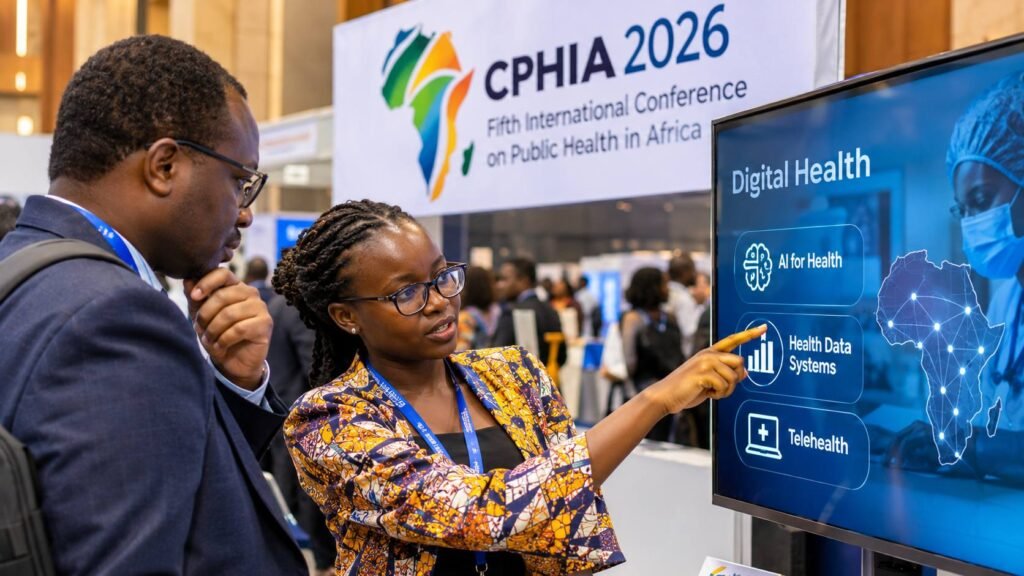
The findings were presented during the first Africa Health Data Forum, taking place in Nairobi from 10 to 12 November under the theme “Better Data, Better Health for All”. WHO and partners convened governments, development partners, technical and financial institutions, academia, civil society and private-sector representatives to identify country-led priorities for strengthening health information systems.
The forum’s agenda moves from reviewing the state of health information systems to co-designing solutions and identifying commitments for implementation. WHO has also established a Regional Health Data Hub, launched in August 2026, as part of wider efforts to improve access to and use of health information.
What needs to change?
Improving the quality of health data requires investment in the foundations: civil registration, routine facility reporting, interoperable digital systems, trained information officers, data governance and regular quality checks. Dedicated and predictable budgets are also needed so that information systems are not dependent on short-term project funding.
Digital platforms and artificial intelligence can support analysis, but they cannot compensate for incomplete source data, weak institutional processes or poor data governance. Countries will need to ensure that information is accurate, protected and translated into decisions at national, county and facility levels.
Source and limitations
Source: WHO Regional Office for Africa, “New WHO report reveals critical gaps in Africa’s health information systems”, 10 November 2026; Africa Health Data Forum, 10–12 November 2026.
This article summarises the WHO regional assessment as reported at the time of publication. Country-level performance varies, and the regional figures should not be interpreted as identical conditions in every country.

Discussion