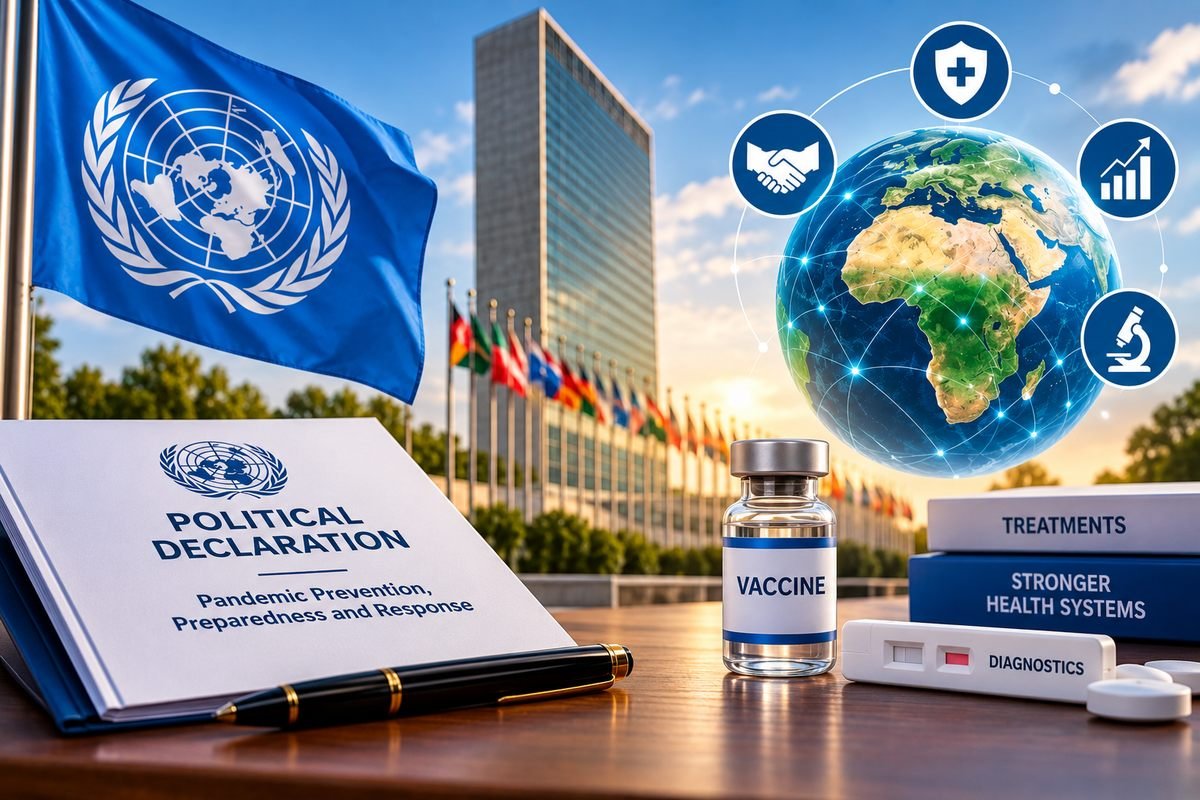
The United Nations General Assembly has adopted a political declaration calling for stronger global cooperation, sustained investment and more equitable access to essential health products to help prevent and respond to future pandemics.
The World Health Organization (WHO) welcomed the declaration on 12 October 2026, describing it as a renewed commitment by countries to work together to protect future generations from the devastating health, social and economic consequences of pandemics.
The declaration reinforces the need to strengthen national, regional and international capacities to prevent, detect and respond to emerging health threats, building on lessons learned from the COVID-19 pandemic.
However, WHO Director-General Dr Tedros Adhanom Ghebreyesus has urged governments to move beyond political commitments and implement the measures they have agreed to, particularly by completing negotiations on a key component of the WHO Pandemic Agreement.
UN members renew commitment to pandemic preparedness
The declaration was considered during the second UN General Assembly High-Level Meeting on Pandemic Prevention, Preparedness and Response on 25 September 2026 before being referred to the full General Assembly for adoption.
According to reporting on the vote, 153 countries supported the declaration, while three voted against it and two abstained. The vote followed disagreements that prevented the text from being adopted by consensus at the September meeting.
The declaration frames pandemic preparedness as more than a public health responsibility. It identifies it as a development, economic and security priority requiring coordinated action across government sectors and international institutions.
The outcome reflects recognition that infectious disease threats do not respect national borders and that gaps in one country’s preparedness can have consequences far beyond its territory.
Sustainable financing and stronger health systems take centre stage
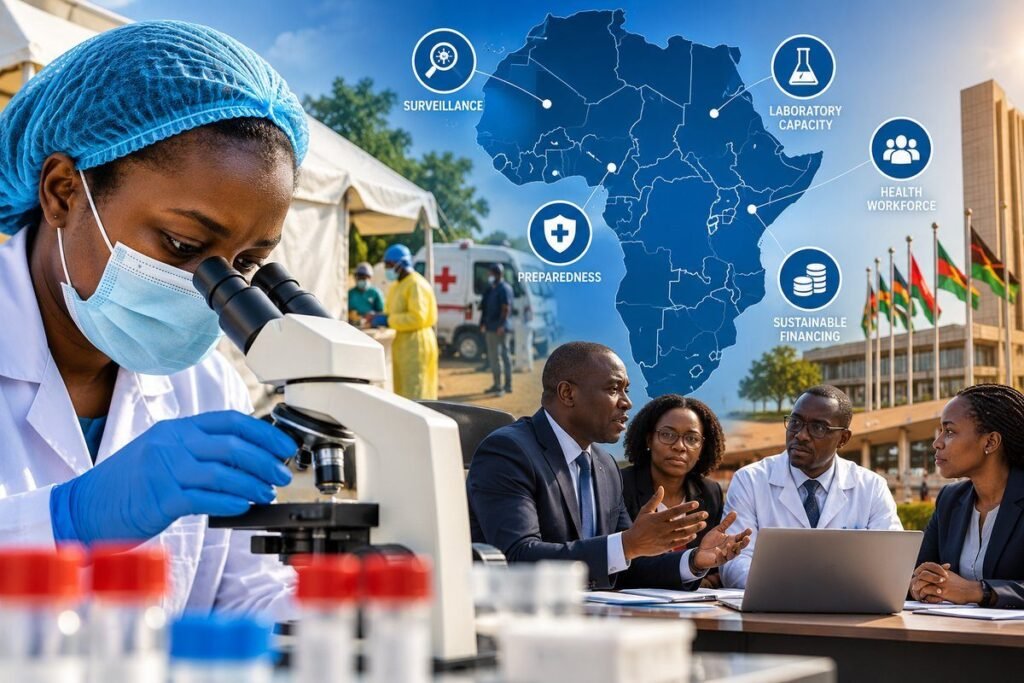
A key priority is sustained investment in the systems needed to prevent and respond to pandemics. These include disease surveillance, laboratory capacity, trained health workers, emergency response systems and stronger national public health institutions.
The declaration also calls for countries to implement the amended International Health Regulations (2005), which provide an international framework for detecting, assessing and responding to public health risks that may cross borders.
For countries with limited health budgets, implementation will require predictable financing, stronger institutions and coordination between national governments, regional bodies and international partners.
The challenge is particularly important for African countries, where health systems must prepare for outbreaks while continuing to provide routine services such as immunisation, maternal healthcare, diagnostics and treatment for infectious diseases.
Equitable access to vaccines, diagnostics and treatments
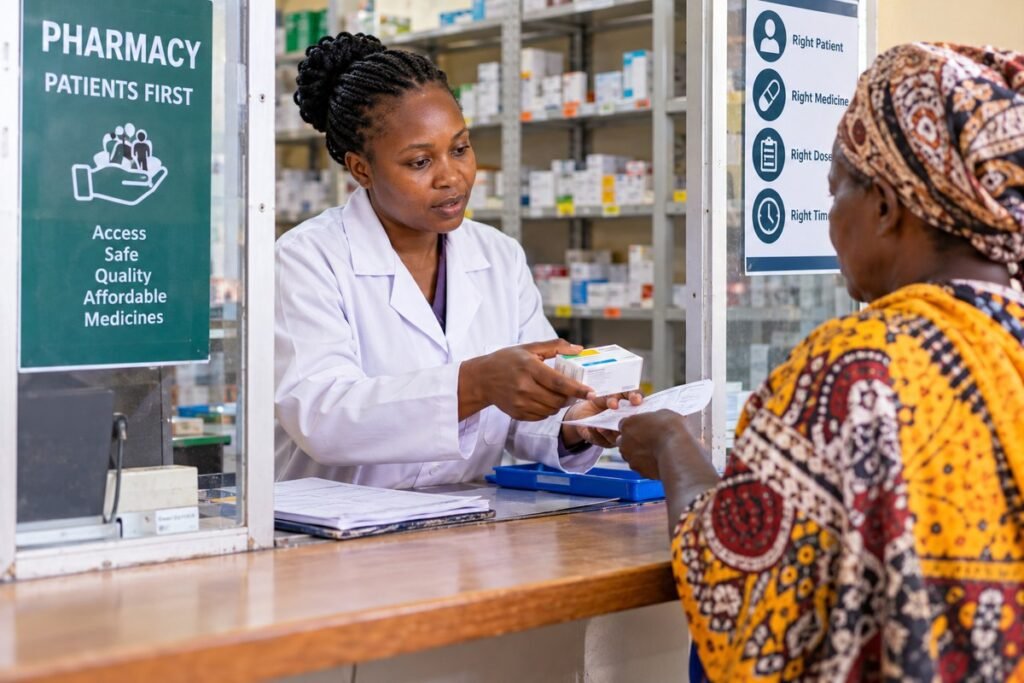
The declaration highlights the importance of equitable access to essential health products, including vaccines, medicines and diagnostic tools.
COVID-19 exposed significant inequalities in access to these products, particularly when demand increased rapidly and countries competed for limited supplies. Expanding local and regional manufacturing capacity could help reduce reliance on distant supply chains and improve access during future emergencies.
The declaration also calls for greater investment in research and development, stronger community participation and arrangements that ensure countries sharing pathogens can benefit fairly from the medical products developed using them.
These measures are intended to strengthen international solidarity and ensure that countries are better positioned to respond to future threats regardless of their economic resources.
WHO urges progress on the Pandemic Agreement
Despite welcoming the declaration, WHO says further work is needed to operationalise the global pandemic preparedness framework.
Dr Tedros has urged member states to conclude negotiations on the Pathogen Access and Benefit-Sharing (PABS) system annex to the WHO Pandemic Agreement.
The system is intended to establish arrangements for access to pathogens and the sharing of benefits derived from their use, including medical products developed through research.
Completing the annex is a key step towards opening the Pandemic Agreement for signature, followed by ratification and its eventual entry into force as international law.
The outcome of negotiations is expected to be considered at the next World Health Assembly in May 2027, or earlier through a special session.
Protecting communities must remain central
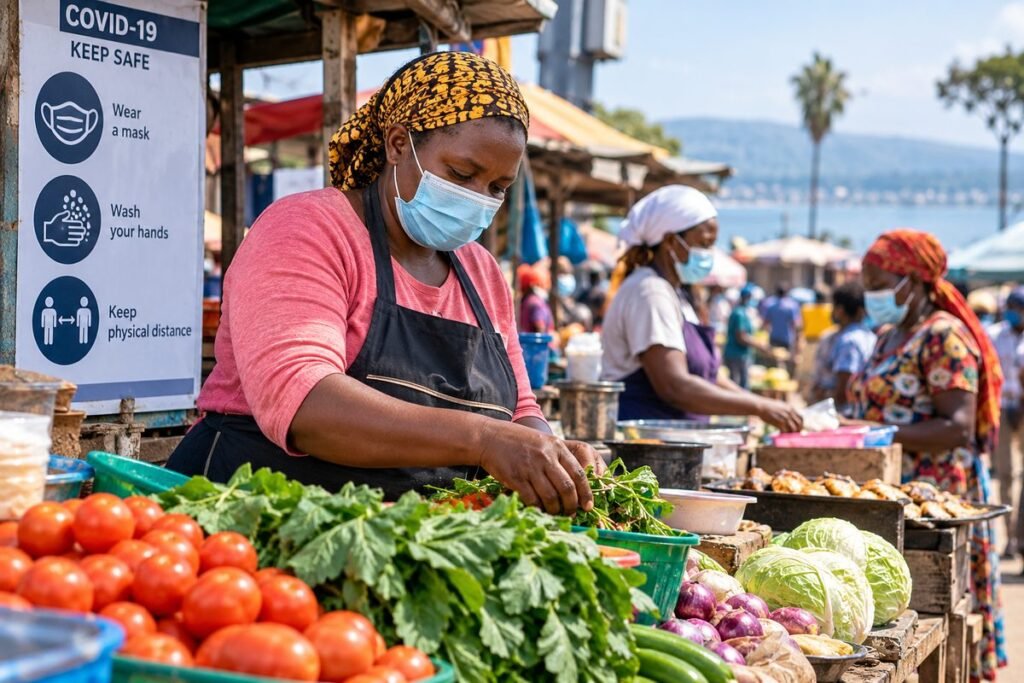
Pandemic preparedness also depends on the ability of communities to access reliable information, trust public health authorities and obtain essential healthcare during emergencies.
The declaration calls for empowering communities and recognises the importance of equity, science and respect for human rights. It also highlights gender equality and access to sexual and reproductive health services.
Experience from COVID-19 showed that disruptions to healthcare can have lasting consequences, particularly for women, children and adolescents when routine services are interrupted.
Preparedness plans must therefore account not only for emergency response but also for maintaining essential health services and protecting vulnerable populations throughout a crisis.
What the declaration means for Africa
For African governments, the declaration presents an opportunity to strengthen domestic preparedness, expand regional cooperation and make long-term investments in health security.
Priorities include improving disease surveillance, strengthening laboratory networks, developing local manufacturing capacity, training health workers and securing sustainable financing for emergency response.
Regional coordination will also be important because outbreaks can spread across borders before individual countries have time to respond independently.
However, the declaration is a political commitment rather than a legally binding instrument in itself. Its impact will depend on how governments translate its priorities into national policies, funded programmes and measurable improvements in preparedness.
The road ahead
The adoption of the declaration signals renewed international support for collective action against future pandemics. Yet political agreement alone cannot guarantee that countries will have the resources, workforce and systems needed when the next emergency occurs.
The immediate priorities are to maintain investment, strengthen national and regional capacities, improve equitable access to medical products and complete the outstanding negotiations on the WHO Pandemic Agreement.
For African countries, the opportunity lies in turning global commitments into practical improvements that protect communities, strengthen health systems and reduce dependence on emergency assistance when outbreaks occur.
The ultimate test will be whether these commitments lead to earlier detection, faster responses and fairer access to life-saving interventions when the next pandemic threat emerges.

Discussion