Follow the original reporting date and the data window. Confirmed cases, suspected alerts and contacts under follow-up are different measures. Articles link to the responsible authorities and to later reporting; forecasts and regional threats are not presented as confirmed local transmission.
Outbreaks & preparedness
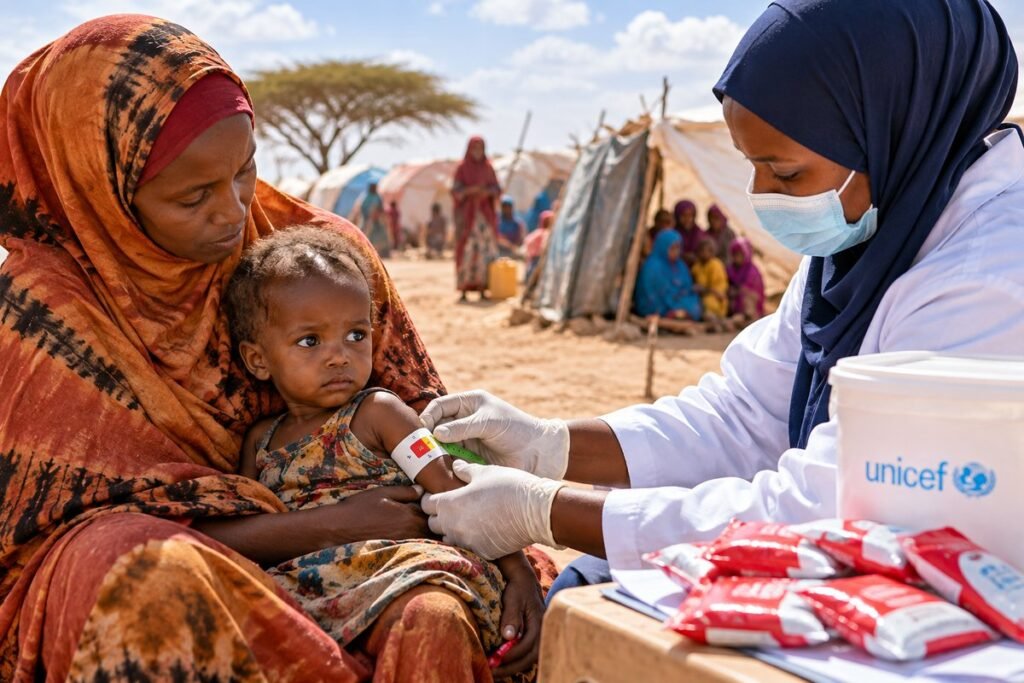
Somalia’s Child Malnutrition Crisis Deepens as Flood Risks and Aid Cuts Threaten Lives
Standfirst: Nearly 1.92 million children aged 6–59 months in Somalia are projected to experience acute malnutrition between July 2026 and June 2027. With severe food insecurity, anticipated flooding and shrinking humanitarian support threatening access to essential services, urgent action is needed to protect vulnerable children.
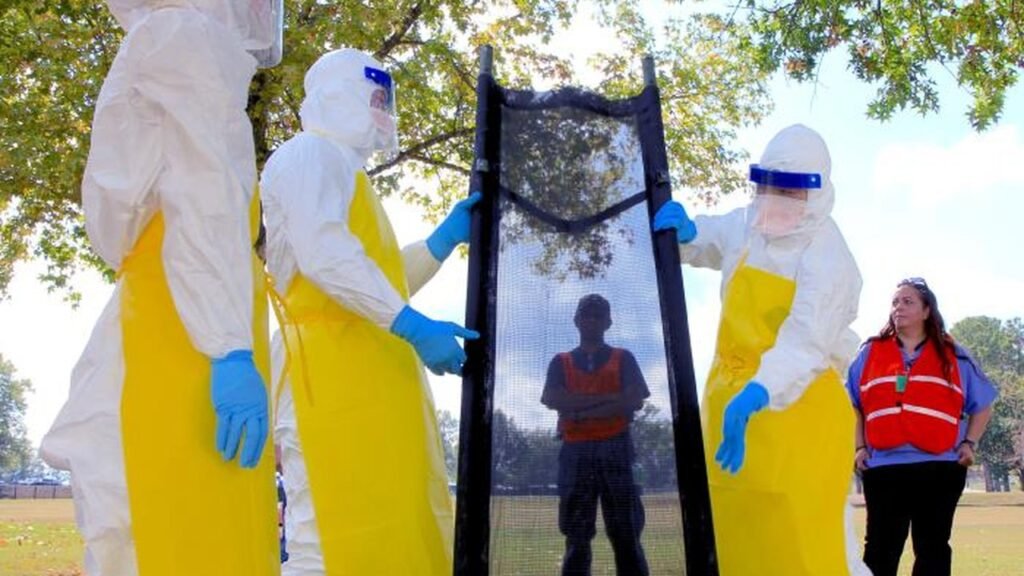
WHO supplies worth around USD 70,000 support Kenya’s Ebola response
WHO’s 12th October update describes supplies worth around USD 70,000 and a larger contact-follow-up operation. Delivery to frontline teams is the next implementation question.
WHO updates Ebola and Marburg surveillance guidance
New operational guidance connects alerts, investigation, contact tracing and community engagement. It provides a framework to assess; national protocols still govern the response.
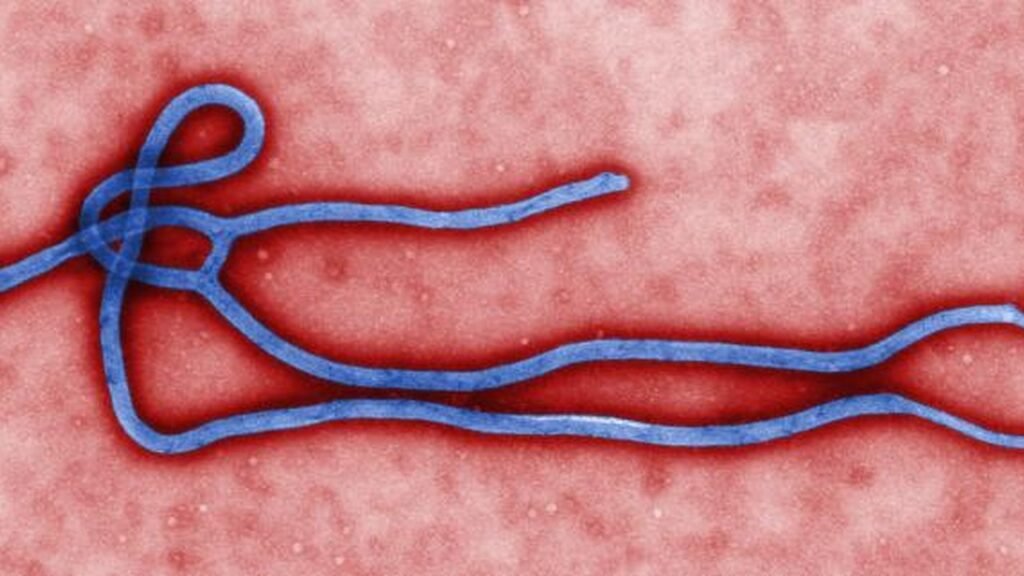
Kenya confirms first imported Bundibugyo Ebola case
A confirmed imported Bundibugyo case changed Kenya’s response. The evidence needs to distinguish the patient, contact follow-up and any subsequent transmission.
WHO’s mpox report: why reporting dates matter
The publication date and the data cut-off answer different questions. WHO’s report provides a useful case study in reading emerging-threat updates carefully.